On September 29, an email from the high school’s technology office was sent out to every student in the Wellesley Public School system, notifying students that they would be losing access to a few different Google services in the coming weeks.
Some of the services removed included YouTube, Google Translate, and Google Photos. Now, when a student navigates to one of these different resources, they are met with a message saying that they are restricted from using the utility.
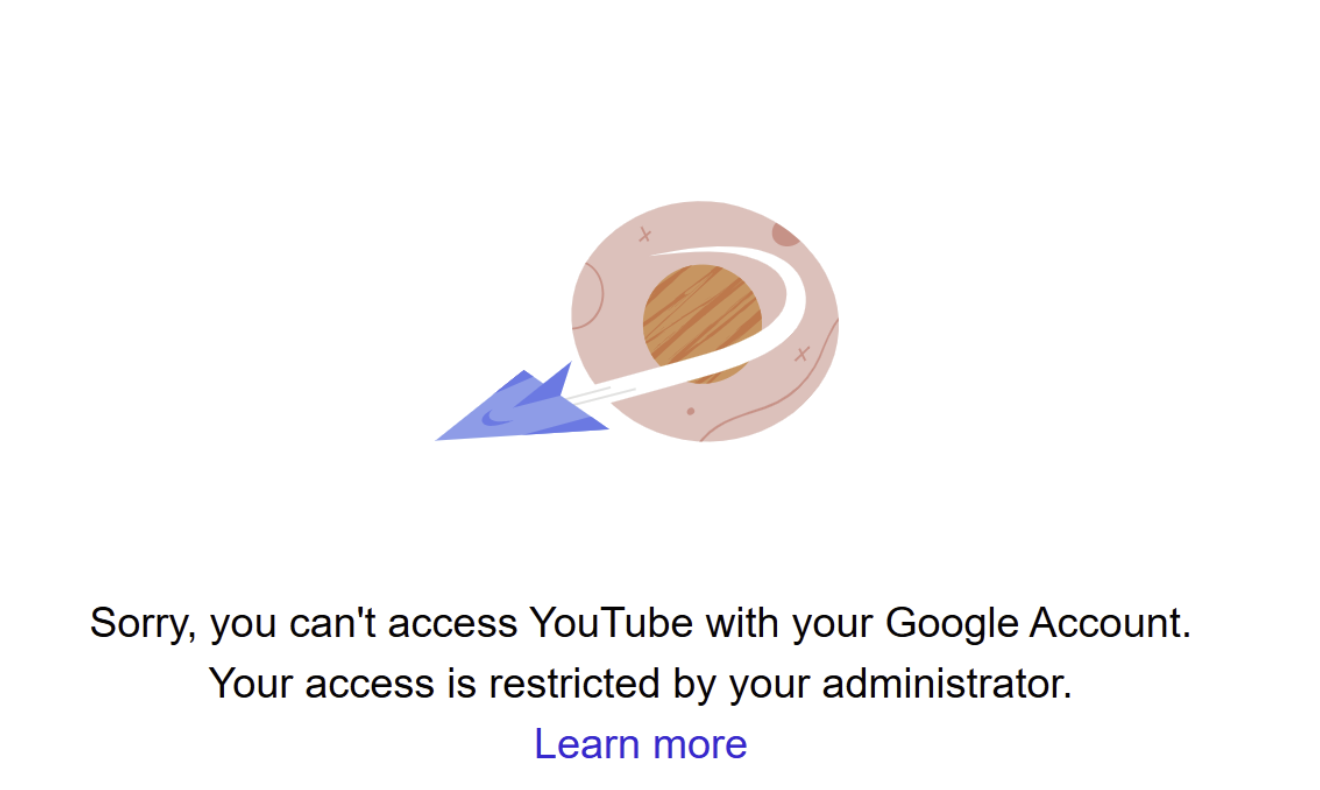
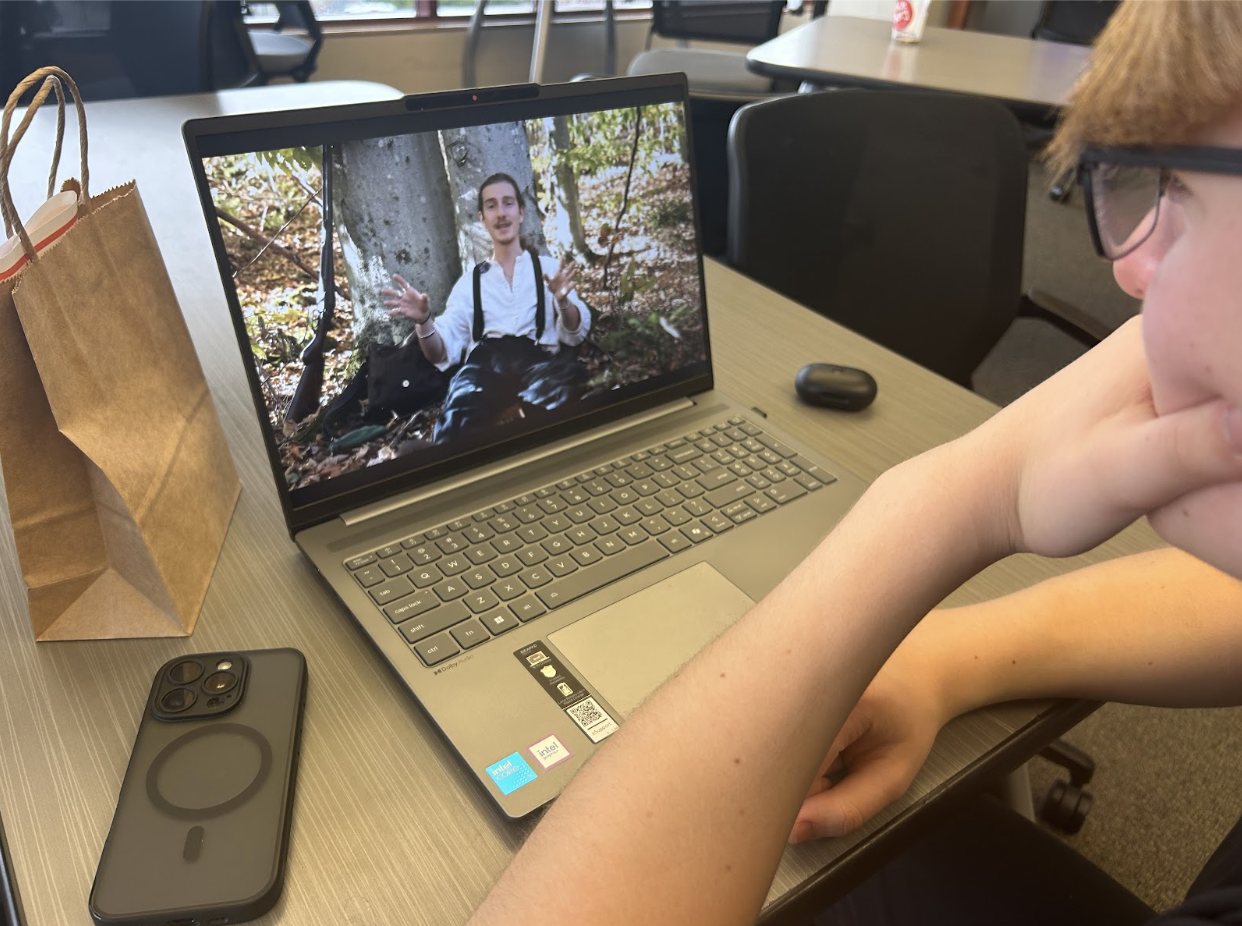
Google services like YouTube have been restricted since October 11. Photo by Camden Chan.
To many students, the update has been an unexpected change, with many finding confusion in the sudden restrictions.
“I just thought it was kind of pointless,” said Quinn Burke ’27. “Especially with the YouTube ban, because most teachers use YouTube to show things to their students that they need to teach.”
The technology office, however, points to updated Google privacy policies for students. Mr. Adam Steiner, the Director of Educational Technology in the district, notes that laws like the Children’s Online Privacy Protection Act (COPPA) and Massachusetts Student Records Regulations impacted the change.
“Only ‘core’ education services, including Gmail, Drive, and Docs, are covered by its education privacy commitments under federal and state student privacy laws,” said Steiner. “Because those additional services are not covered by the same privacy terms, we, and other school districts, needed to turn them off for student accounts to ensure student information stays secure and compliant.”
Students, however, are still noticing the changes that the new policies have caused in their daily routines.
“The first day after the ban in my biology class, we had to watch a video by ourselves, and we couldn’t initially do it without having to switch accounts. It was just annoying,” said Burke.
Noah Rogers ’27 also recognized the new consequences of the change to students looking for extra resources.
“It just makes it harder to find videos online for classes. For example, various chemistry tutors on YouTube have saved my life many, many times, and now I don’t have access to that resource in school,” said Rogers.
The wider long term effects of this change will be seen over the coming months. The future of these services may be unclear, but the Technology Office already has methods in place to assist teachers and students with this new change, including finding workarounds to the restrictions.
“Our goal isn’t to limit access unnecessarily, but to make sure any tools students use meet both educational and legal standards for privacy and security,” said Steiner. “[The Technology Office’s] primary focus has been on ensuring that the change doesn’t impact teaching and learning.”